Older architecture throughout Downtown Lowell, The Acre, and Back Central features balloon-frame construction, multi-layered baseboards, and communal pipe chases that allow bed bug populations to migrate between living…
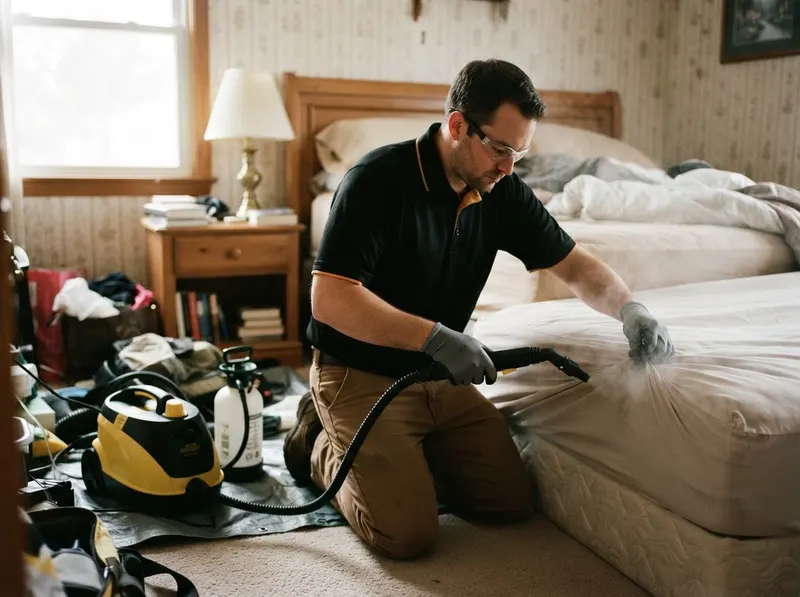
Older architecture throughout Downtown Lowell, The Acre, and Back Central features balloon-frame construction, multi-layered baseboards, and communal pipe chases that allow bed bug populations to migrate between living spaces. Standard spray applications often trigger repellent scattering, driving insects deeper into wall voids and adjacent apartments. A dual thermal and chemical methodology counteracts this biology. Controlled heating equipment elevates ambient temperatures between 122°F and 135°F for sustained durations, denaturing insect cellular proteins within mattresses, box springs, and structural framing without damaging furniture. Following thermal exposure, precision applications of non-repellent formulations and desiccant dusts seal interior perimeters, electrical switchplates, and baseboard crevices to establish an exclusion barrier against cross-unit re-infestation.
Property owners evaluating remediation options face a direct operational trade-off between standalone chemical programs and integrated thermal protocols. A chemical-only strategy requires multiple visits spaced two weeks apart to address newly hatched eggs, demanding repeated tenant preparation and prolonged disruption. An integrated thermal and targeted chemical protocol requires more extensive same-day structural preparation, such as relocating meltable goods, pressurized cylinders, and temperature-sensitive electronics, yet achieves demographic collapse across every lifecycle stage in a single day. For multi-family properties near UMass Lowell in Pawtucketville or multi-family rental assets in Centralville, clearing infestations in one continuous operational window mitigates tenant turnover risks and prevents population migration into neighboring units.
Treatment execution follows a defined chronological sequence to preserve structural safety and maximize perimeter containment. First, technicians map thermal zones using thermal imaging cameras to identify cold spots along exterior masonry walls common to mill-adjacent homes in Sacred Heart and South Lowell. Second, industrial electric or indirect-fired heating units pump heated air through high-velocity circulation fans to saturate structural voids, wall cavities, and subfloors. Third, technical personnel monitor real-time thermal probes to confirm baseline lethality thresholds persist for a minimum of 90 minutes. Fourth, technicians apply long-term residual barriers to interior utility penetrations, baseboards, and structural margins before the property is cleared for re-entry, providing transparent defense without ongoing recurring spray subscriptions.
Every job gets a firm, written price after a free on-site visit.
Tell us about your bed bug thermal and chemical eradication job in Lowell and we'll send a clear, written quote, usually the same day.
 Zandrix Insect Defense